Three years ago, near the start of the pandemic, my photography ground to a halt. There’s still a gap in my Lightroom catalog where May and June 2020 should be. I’m glad that my break was temporary, but it crystalized to me that there’s more to being a good photographer than just pressing the shutter button at the right time.
Everyone knows that you can improve your photography by working on things like camera settings, composition, post-processing, and so on. But there are lots of paths to taking better photos. Some of them are even (seemingly) unrelated to photography. Today, I’ll go through four different areas that matter if you’re trying to take better photos, starting with the most obvious and working my way down.
Table of Contents
1. Taking the Photo
The moment that you take a photo, you’re locking in crucial decisions – namely, your choice of camera settings, subject, lighting, composition, and timing. These are some of the pillars of photography that need to be solid in order to get good results.
If you constantly regret your decisions in any of these areas, at least you know what to work on! The concepts later in this article are important, but you have to solidify the foundations first. And of course, even the best photographers have room to improve in terms of composition, timing, and so on.
I won’t really go into this side of photography today. I’ve already covered things like camera settings and composition hundreds of times before, and for this article, I want to broaden the scope a bit more.
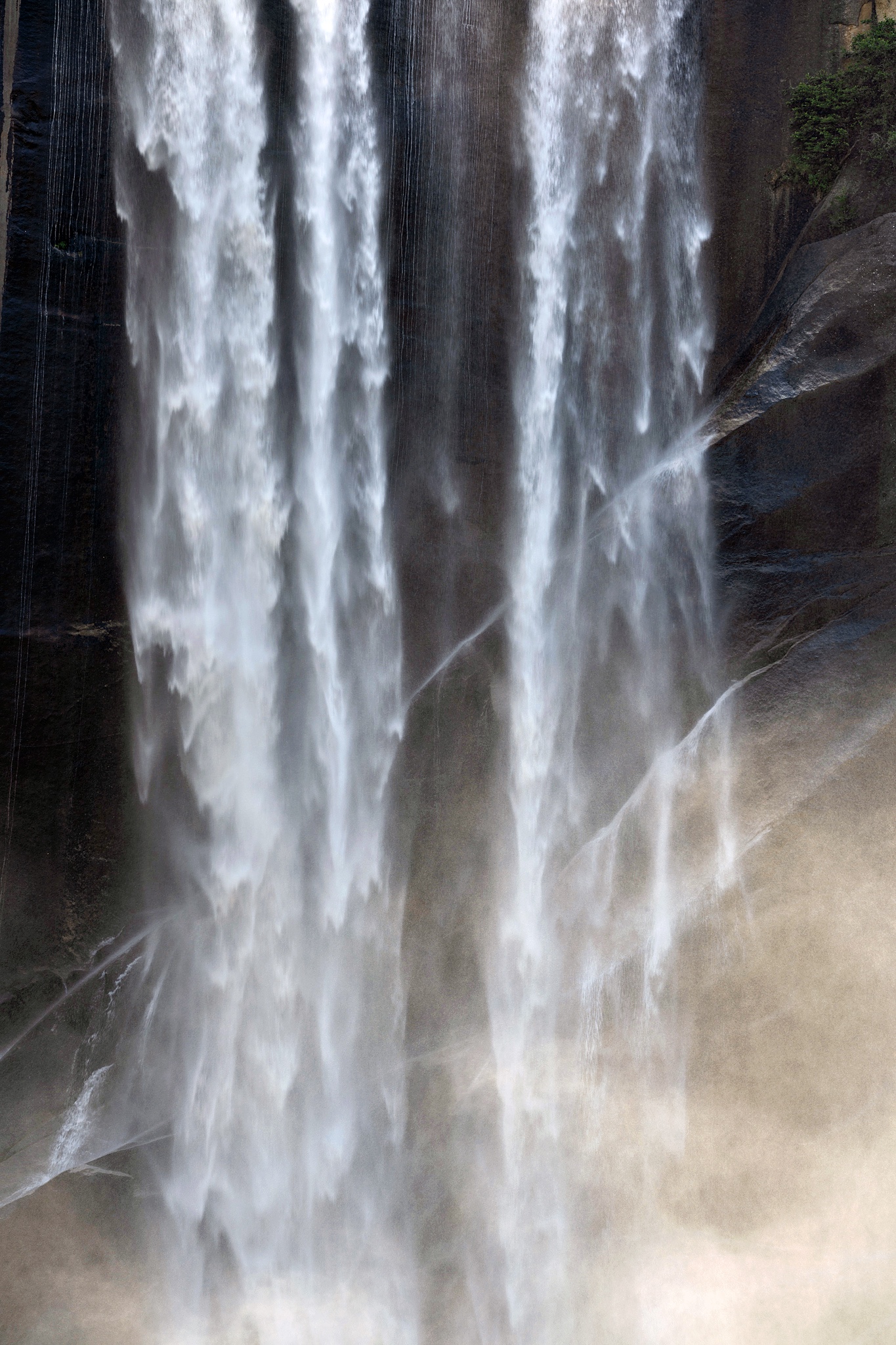 Nikon Z 7 + Nikon Z MC 105mm f/2.8 VR S @ ISO 64, 1/80, f/5.6
2. Related to Taking the Photo
This section is the furthest that you’ll see most photography tutorials go. It’s all the things that are related to taking the photo, but not usually done the moment that the shutter button is pressed.
For example, in the field, this includes scouting for subjects and visualizing the photos that you’d like to take. Once you return home, it starts to encompass things like culling your photos, post-processing the best ones, and printing the results.
I’d also put practice under this umbrella. It’s important to familiarize yourself with your camera equipment (you should know how to use it with your eyes closed!) and setting the right camera settings quickly. Likewise, spend as much time in the field as possible. You’ll pick up on subtleties like weather patterns, lighting conditions, hidden subjects, etc., that you simply can’t learn from home.
None of this is as immediate as pressing the shutter button, but it impacts the quality of your photos all the same. Yes, the previous section – “taking the photo” – is the nucleus of photography. But lots of other things are swirling around it.
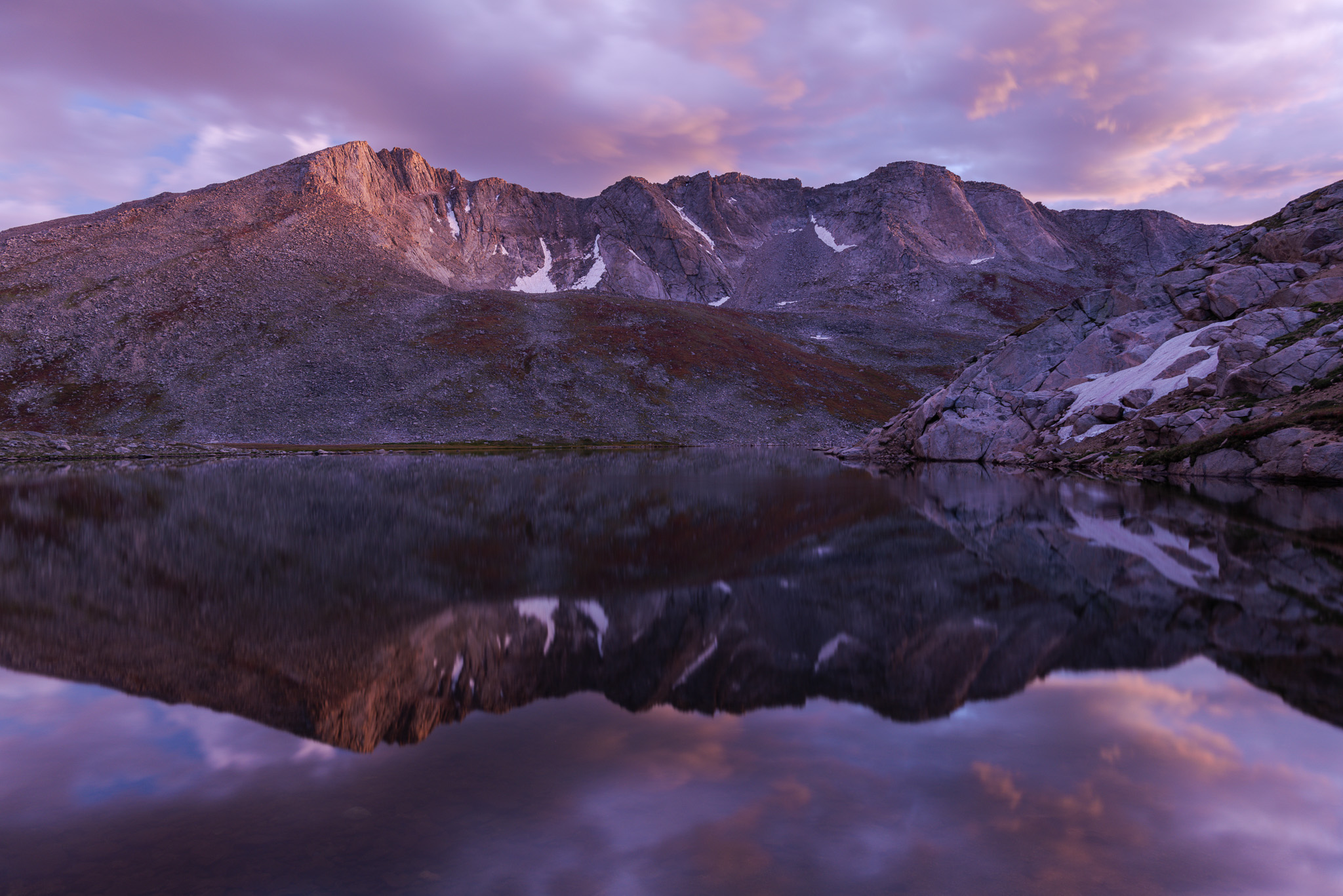 Panasonic S1R + LUMIX S 24-105mm f/4 @ 24mm, ISO 100, 25 seconds, f/6.3
3. Tangentially Related to the Photo
I could have called this section logistics, because it involves some unsexy parts of photography that, nonetheless, make good photography possible in the first place.
One part of logistics is simply reaching the location with the right gear on-hand. As a landscape photographer and backpacker, I probably spend more time on this “side of photography” than anything else. Before I even step out the door, I’ve figured out the weather, weighed my bag, downloaded the relevant trail maps, checked for gas stations along my drive, planned my meals, and so on. This is all very particular to my type of photography (you probably don’t need to check for gas stations if you’re a street photographer in NYC) but every genre of photography has an equivalent list.
Then there’s the even more boring, yet even more essential side of things: organizing and backing up your hard drives. Again, you could argue that it’s not directly related to taking photos – and of course anyone, photographer or otherwise, should back up their computer. But for photographers in particular, you simply can’t allow your important photos to teeter on the edge of a hard drive malfunction, or to be so disorganized that you can’t find the one you’re looking for.
Finally, the logistics side of photography includes making sure you’re “there” when good things start happening. Showing up early and staying late are under-appreciated skills in photography. I constantly see landscape photographers leave before sunset if it’s an overcast day, only for the sky to turn beautiful 30 minutes later. The call of comfortable pleasures – sleeping in, leaving early for dinner, packing up when it starts to rain – gets me, too. But when I stick with it anyway, I’ve taken some of my best photos.
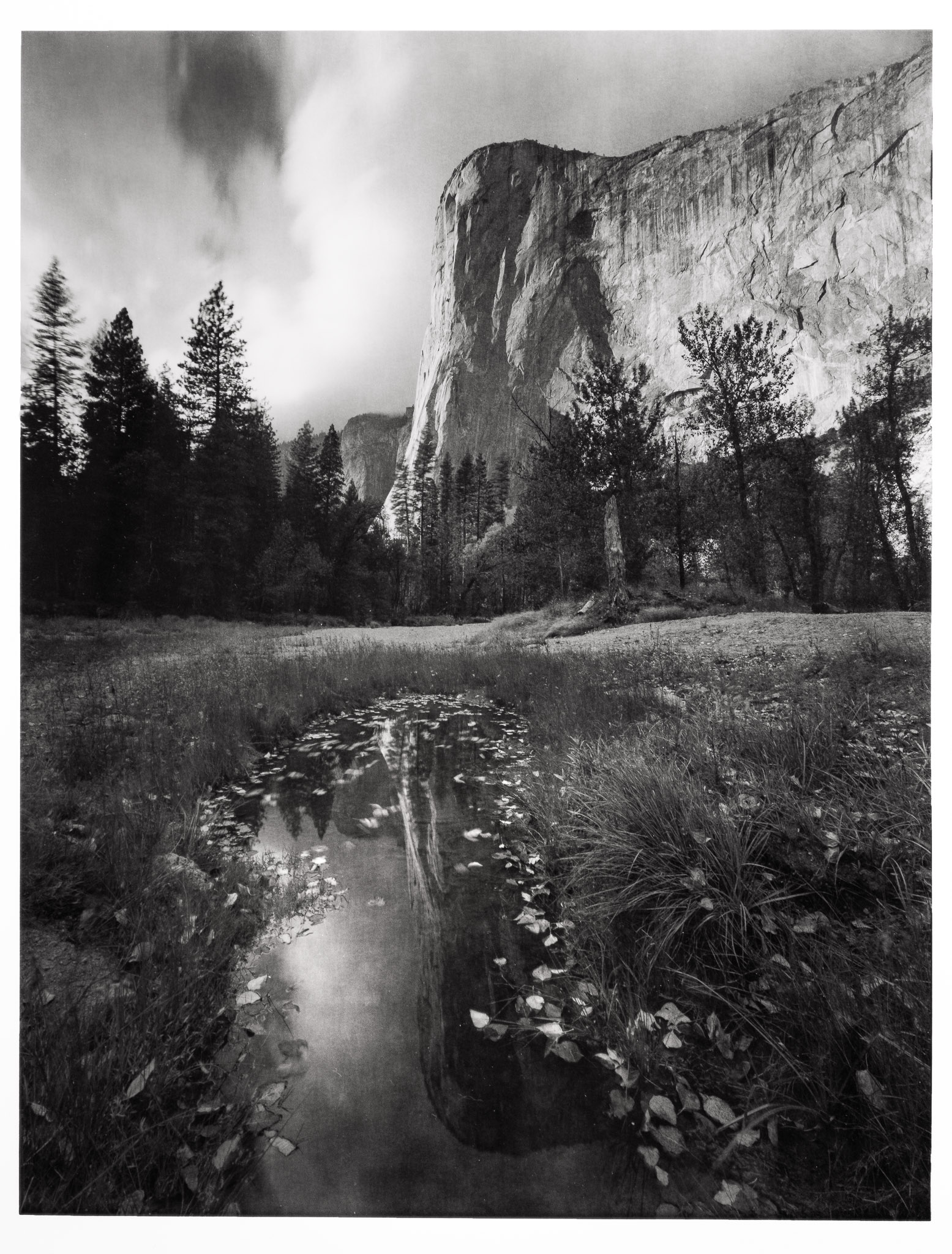 Schneider 150mm XL f/5.6 @ f/80, 15 seconds, 11×14 Ilford HP5+ 400
4. Seemingly Unrelated to Photography
All the points above are important, but this section is my real reason for writing this article. The more time that I spend as a photographer, the more I realize that my results depend heavily upon my life outside photography.
The clearest example is what I mentioned earlier – how I didn’t take any photos for a couple of months in early 2020. That was a crazy time for almost everyone around the world, and I had so much on my mind that photography wasn’t a priority. Even if I had taken the time to pull out my camera and drive to a landscape somewhere, I’m sure I wouldn’t have gotten good photos. My head just wasn’t in the right place.
It wasn’t just mental – it’s also about physical health. In the years since that period of time, I’ve found that going to the gym, taking walks, eating better, and simply staying in shape has had direct and obvious consequences for my landscape photography. You wouldn’t think there’s a relationship between walking on the treadmill and taking better landscape photos, but there absolutely is. I find that I’m more energized to go out often, and I can hike for longer distances when I do. It’s even helped my mental clarity. No wonder that a lot of professional chess players will go for a run or kick a football the day before important games!
Finally, the most important thing to take away from this article is that you can get better at photography by getting better at other hobbies. One thing I’ve really taken up recently is cooking, and it’s wild how often I find myself making connections between that and taking pictures. Skills like planning ahead, attention to detail, time management, visualization, and more – when I improved them in one area of my life, they transferred to photography.
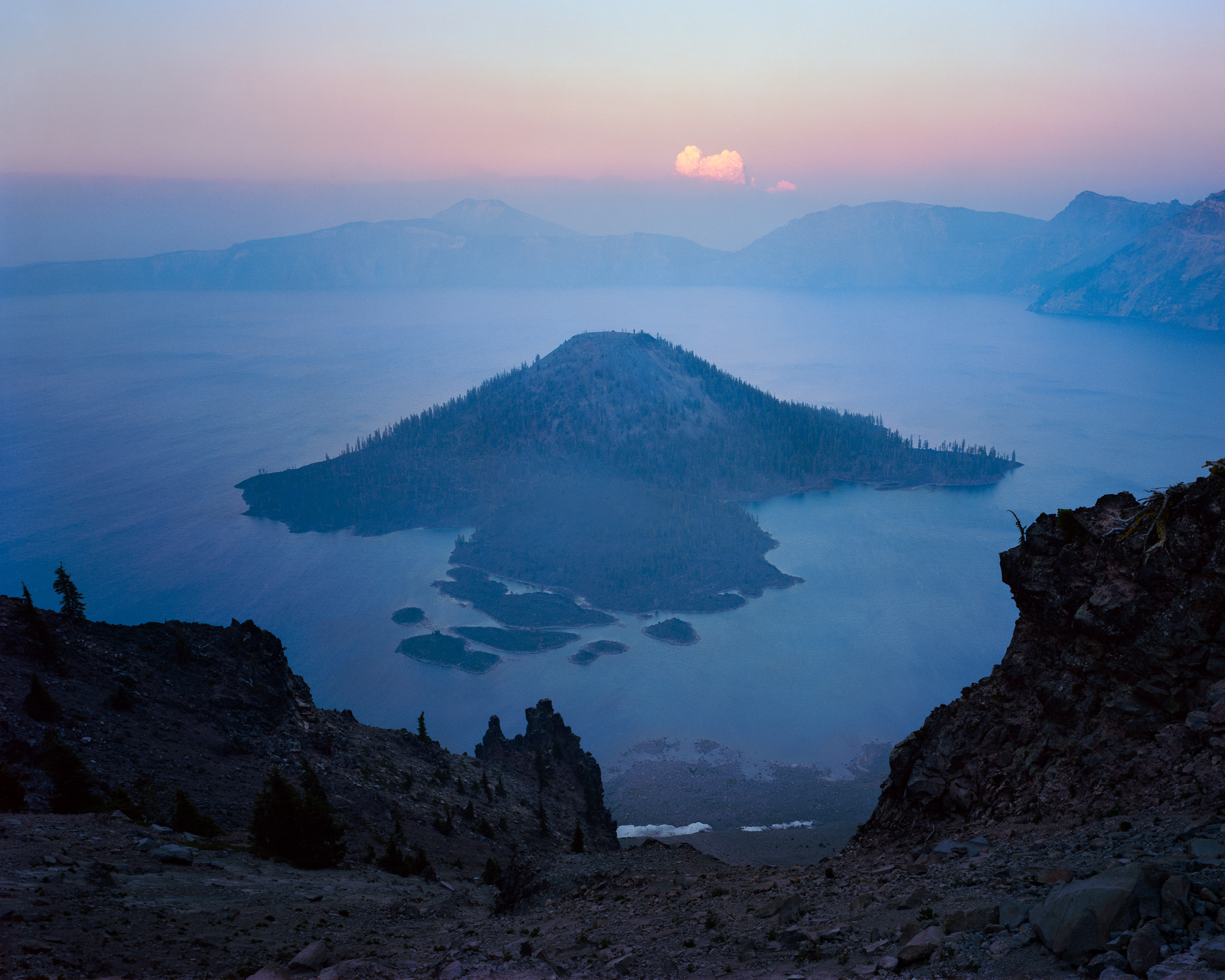 Chamonix 4×5; Nikkor 90mm f/8 @ f/20, 1 second, Kodak Portra 160
This is the side of taking better pictures that you’ll rarely hear about. But if you’re not satisfied with your photos, maybe the area you need to work on isn’t related to composition or camera settings at all. It could be that you need to jump on a bike or read a novel instead! Maybe that doesn’t sound like it’s connected to photography, but in the end, it’s all related.

About Spencer Cox
I'm Spencer Cox, a professional landscape photographer based in Colorado. I started writing for Photography Life over a decade ago, and now I run the website in collaboration with Nasim. My photos have been displayed in the Smithsonian Museum of Natural History and awarded top honors in prestigious competitions such as the Natural Landscape Photography Awards, Travel Photographer of the Year, and Epson International Pano Awards. You can see more at my personal website and my Instagram page.
Comments
-
Well said, thanks.
-
Didn’t someone once say, “Photography is 90% mental, the other half is physical”.
(Sorry, Yogi!)
-
Great article, Spencer!
- Thank you, Zigman!
Reply 04. True, it is 50% camera and accessories, 50% that is not directly related to photography, but if you want to do better in any profession, this helps.
-
That B&W image is beautiful, even scrunched up for the web the tonality is fantastic. 11×14 that is massive, do you just make a contact print?
- Thank you, Rob! That’s exactly what I did – it’s an 11×14 contact print. What you’re seeing in the article is a photo of the print.
Reply 06. Great article, Spencer. You are young but I am of the age when my cohort is starting to develop medical problems that could end with their disappearance into that good night. We all, young or old, should know that catastrophic medical issues could take any of us. Meanwhile, we must stay active and moving, seeing and enjoying and photographing as much of the world as is allowed to us. The camera has been my passport and meditation and I want to keep doing it.
- On a lot of our workshops, we have plenty of people in their 70s, 80s and I think a few in their 90s – oftentimes the older participants are more active than the younger ones! And I don’t think it’s a coincidence either.
Reply 07. The part about physical exercise resonates with me. I started noticing my decline when I turned 40. Can’t skate as fast as I used to. Can’t run as long. Not as flexible. So when simple tasks like getting up off the ground, crouching, crawling, or scrambling, becomes more laborious than it used to be, I become more motivated to stay in shape. Because I sometime imagine my future without physical freedom and it is a devastating thought. I’m a healthy 47yr old now and I intend to keep it that way. Health is wealth. Stay active, everybody!
- That’s good to realize it early! Thanks for the great advice.
Reply 08. I subscribe to the “show up fully prepared” school of thinking. Preparation for me incorporates the “arrive early; leave late” thinking that you mentioned, and includes the “be fully present when you’re there” philosophy. For me, “arrive early” incorporates time to chill or meditate before the event, if for nothing else, to be able to appreciate the beauty in the event. Touch the clouds; listen to the water run over the rocks; smell the freshness in the approaching rain! Smile to the Universe! Express gratitude for the gifts about to be received! Oh, and clean your lens and tighten your leg locks…
- I like your approach. It’s the flip side of this article – you could say, photography isn’t always about taking pictures :)
Being out there and enjoying nature is half the reason why I love landscape photography. Some of my favorite moments as a photographer didn’t yield any good photos, but good memories.
-
One more thing – If you find yourself in the photographic doldrums, stop for a moment and listen for that quiet voice of your camera whispering, “Take me for a walk!” ( 8*{>}
Reply 09. A lot of truths in this article, it’s funny how different parts of one’s life affect each other, or maybe not.
I think it is a general attitude that we take with us everywhere we go, so an improvement in one area carries over to another!
Good article, thanks!
- I’m glad you liked it, thanks Kevin! That’s a good way to put it – we take it all with us.
Reply 10. Yes–the artistic must be partner to the logistic.
And that is a very nice rendition of El Capitan.
There is a lot of water at Yosemite now–hoping for
great waterfall pics.
- Thank you, Art! I was planning to go back to Yosemite on my roadtrip about a month ago, but rain and snow had closed the park. I’m sure the waterfalls will be spectacular this season, but the headlines about flooding are pretty concerning. Hopefully the roads and infrastructure aren’t too damaged when all’s said and done.
Reply 11. I can’t agree more, especially when it comes to having a cool head.
There were times where I’m just not in the right mindset, feeling stressed and all. It’s gotten to the point where I gave up on a project and left it aside because my mind’s clouded too much, and even increased my reluctance to go out and shoot.
Thankfully, there’s much less of that happening lately and I recently got back from a long overdue holiday trip where I also might have gotten more than a couple of brilliant photographs that may be worthy of a good quality print. That minor reset was necessary.
- Photography is definitely a mental game, even when we do it for fun. And projects can be excellent motivators at times, or annoying slogs at other times, depending on the project. In any case, I’m happy to hear that your trip went well and helped refresh your creative muscles!
Reply 12. Indeed a great piece, especially on section 4! Thank you Spencer!
The mood is crazy important to me, notwithstanding that going out to photograph is usually helping mine. Call me mad, but I must want to go outside to take good pictures and challenge myself at my best, otherwise the images are easily dull.
The pandemic in my area was really hard, with hard lock downs that allowed us to be around only inside the city territory… but that restrictions, extended for weeks, was the explosive on my mood to make me escape on the closest hills in search of something unnatural: www.colorazeta.it/paesa…ola_EN.htm
Lightest equipment, snow apparel and proper timing! That snowing was unique in my area, never seen before! The freedom will changed my mood on that occasion towards the unseen, I was so happy to be there that also taking pictures and videos in such hard conditions (uneven snowy/ice terrain/roads, wind and new storms arriving) was relatively easy with good results, at least from my point of view that I was there completely alone on the lonely snowy path and knowing that the place itself is not the Grand Canyon, but with great surprise it turned into a kind of heaven in those conditions.
- Thank you! I’m glad you made the most of a bad situation and got some great photos out of it.
Reply 13. Excellent article Spencer. I’d add that sometimes getting off the couch is the hardest thing for us all to do- but once you do, you have the battle half won ;).
- Very true. There’s a lot of stimulus in today’s world, and it’s pretty easy to just collapse on the couch the moment we get some free time. Nothing wrong with that sometimes, but I don’t want to make it a habit. I’ve found that cutting out things like social media and adding app limits has been very helpful to me personally.
- I would include “getting off my computer” as a subset.
Reply 14. Cooking is a great side venture. Another great meditative pastime is gardening. Nothing exhausts your body and mind like digging a hole. I’ve also taken some of my best flower pictures in my own backyard.
- That sounds like a great outlet! I’m sure that the things you notice and think about while gardening appear directly in your flower photos, in various ways. And of course, the final result from gardening is itself a reward (another reason why I like cooking a good meal :)
Reply 15. I agree with Mayans, this was on of the better articles I read about photography. Thanks for the insight.
- Very kind of you to say, thank you Zigman!
Reply 16. One of the better articles I read about photography. Was in similar boat few days back, had so much going on in life that photography was simply not priority, recently picked up camera back again with clear head, I am sure photos will also improve.
Another example is last year I went to Ladakh/Leh region of Himalayas, it is considered to be playground for landscape photographers, was not in right frame of mind and was exhausted from daily work life. At many locations I did not feel like taking photos at all, so what is going on in life does impact your photography.
As you rightly pointed out Spencer “It’s all Related”.
- Thank you, Mayank – and I think your example from the Himalayas will sound familiar for a lot of photographers.
I’ve had plenty of moments during landscape photography trips where things have gone wrong… missing a flight, breaking my laptop, driving in the wrong direction, and so on. It’s easy to let moments like that drag down our motivation for photography. If we find ways to think positively anyway, it usually pays off. Easier said than done sometimes, of course.
Reply 17. Nice article Spencer, rationalising the processes that I think many of us do, in part at least, subconsciously but would probably do better to actively consider before setting out for a shoot.
In particular I think ‘arrive early, leave late’ is a good one. I have always subscribed to this one and it has paid dividends over the years.
Thanks.
- Thank you, Bob. In landscape photography, it’s amazing how often I see people leave right after sunset and skip the blue hour, which may be my favorite time for photography. And I’ve sometimes missed good photos at sunrise because I hit “snooze” too many times. It’s something to work on!
Comment Policy: Although our team at Photography Life encourages all readers to actively participate in discussions, we reserve the right to delete / modify any content that does not comply with our Code of Conduct, or do not meet the high editorial standards of the published material.
Leave a Reply Cancel reply
Your email address will not be published.Required fields are marked *
Comment *
Name *
Email *
Δ